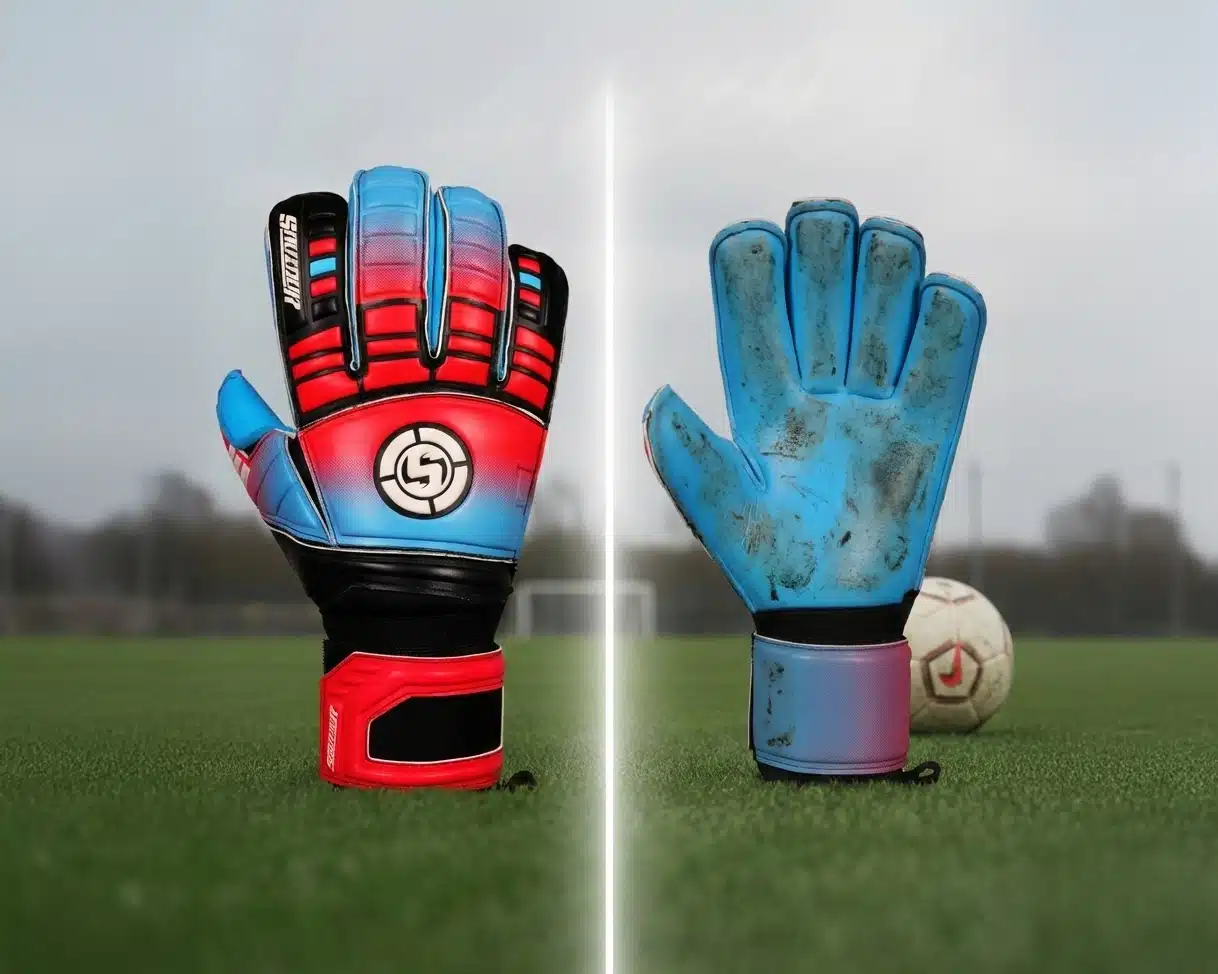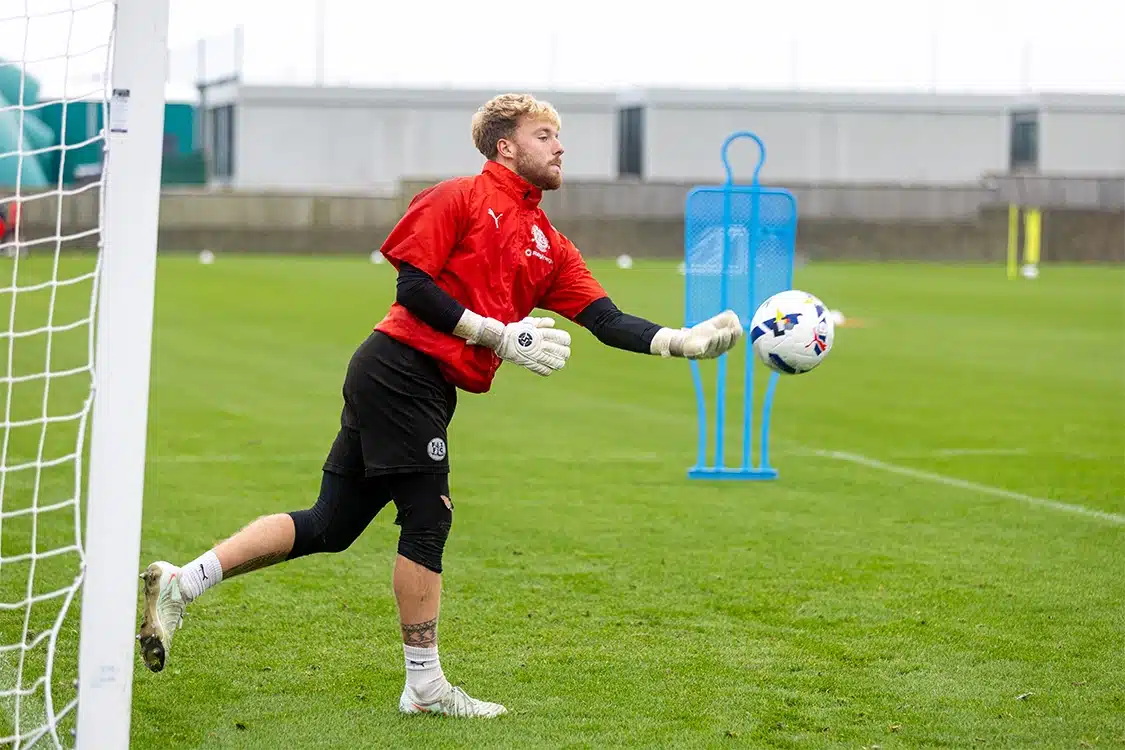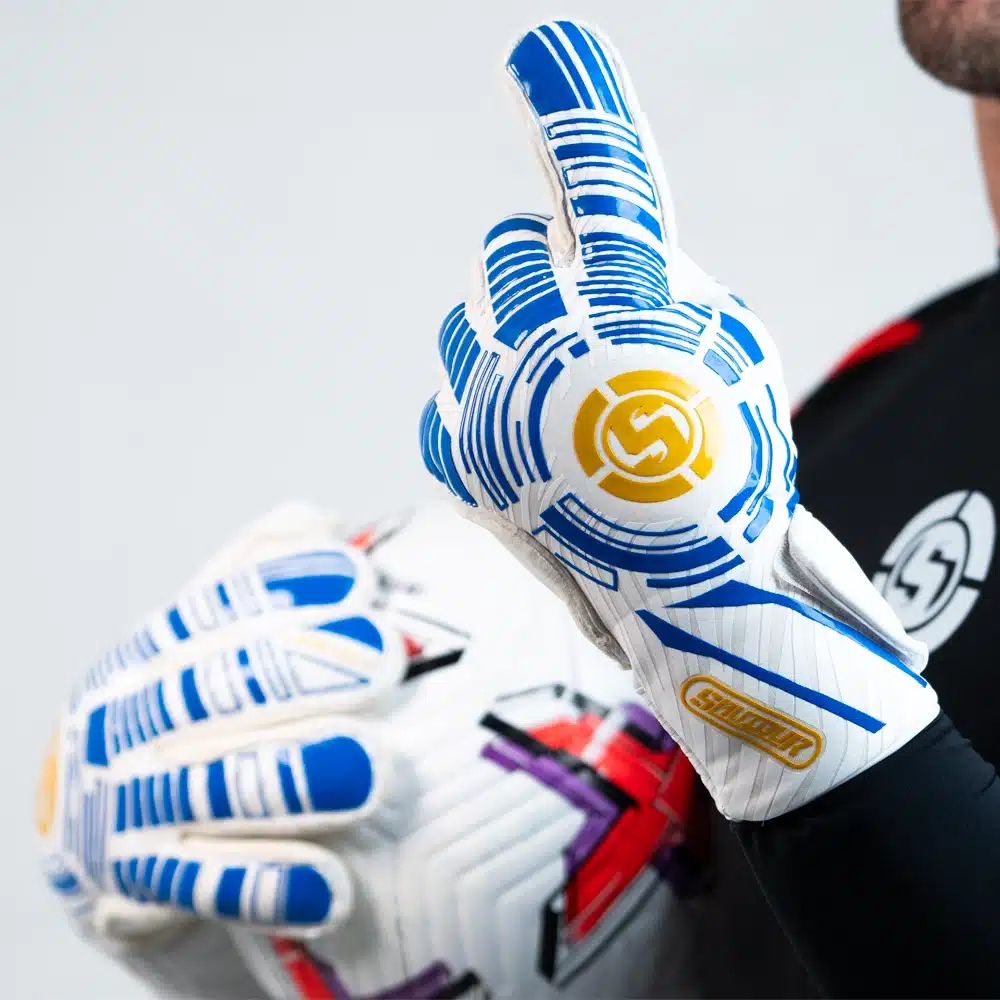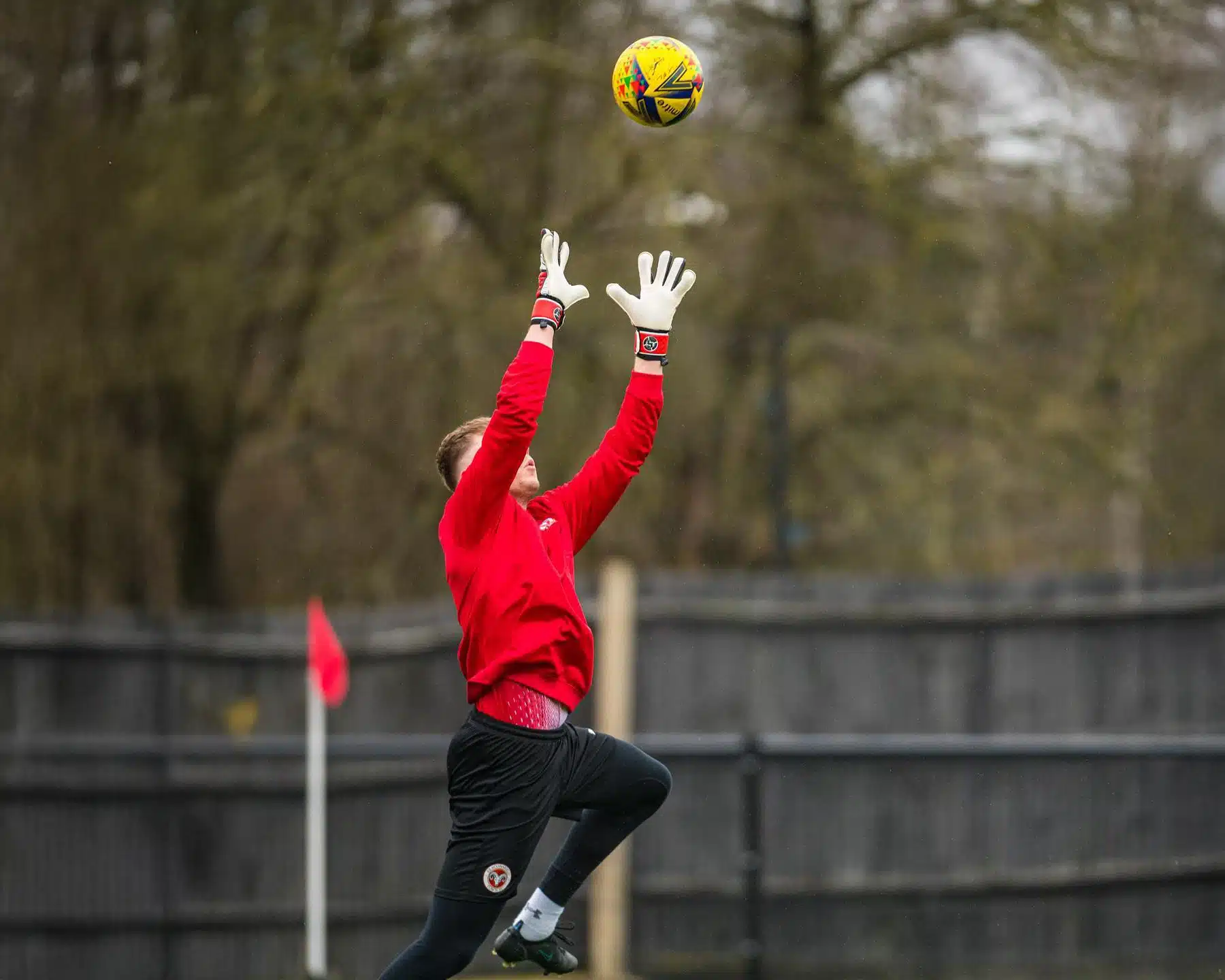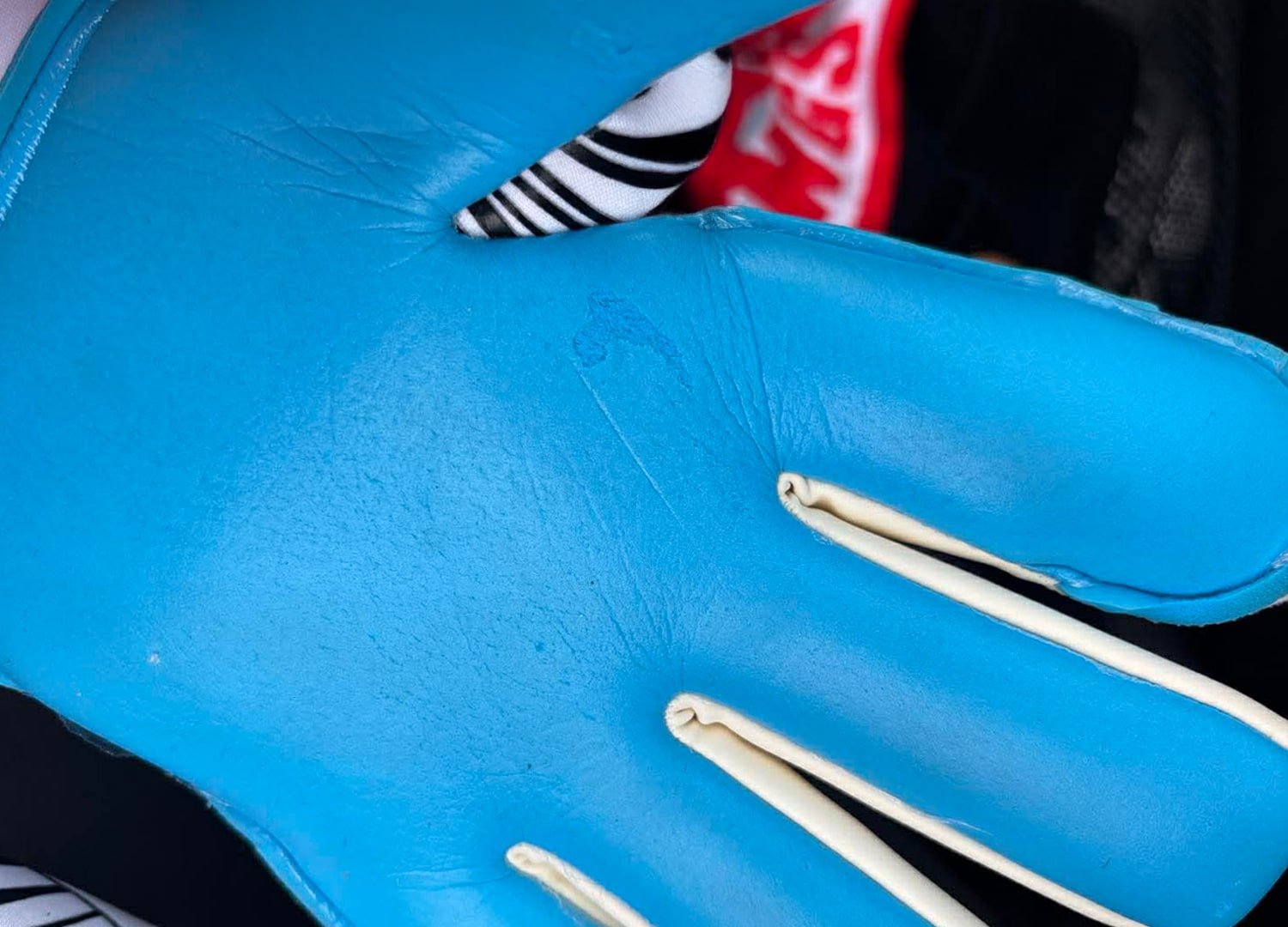
It is one of the most frustrating experiences for any goalkeeper: you buy a brand-new pair of premium gloves, take them out for a single training session or match, and suddenly notice the latex on the palms or fingertips is already scuffed, peeling, or tearing.
Your immediate thought might be that you bought a faulty pair. However, in the vast majority of cases, this rapid degradation is as a result of several circumstance, but also as a normal part of wearing professional-grade goalkeeper gloves.
Here is the candid truth about why your gloves are peeling and what you can do to maximize their lifespan.
The Trade-Off: Ultimate Grip vs. Durability
To give goalkeepers the sticky, reliable grip needed to catch a fast-moving ball, modern gloves are made with incredibly soft latex. The softer the latex, the better the grip.
However, there is a natural trade-off: the better the grip, the lower the durability. Premium contact latex is not designed to withstand heavy friction against rough surfaces. While it excels at gripping the synthetic leather of a football, it will rapidly deteriorate when introduced to the ground.
To improve Glove life and understand why your gloves deteriorate so fast you have to understand What The Main Culprits of Rapid Wear and Tear is?

If your gloves are showing signs of heavy wear after just a few uses, it usually comes down to a few common culprits rather than a structural manufacturing defect.
1. Abrasion and Poor Technique – The Abrasion Tear
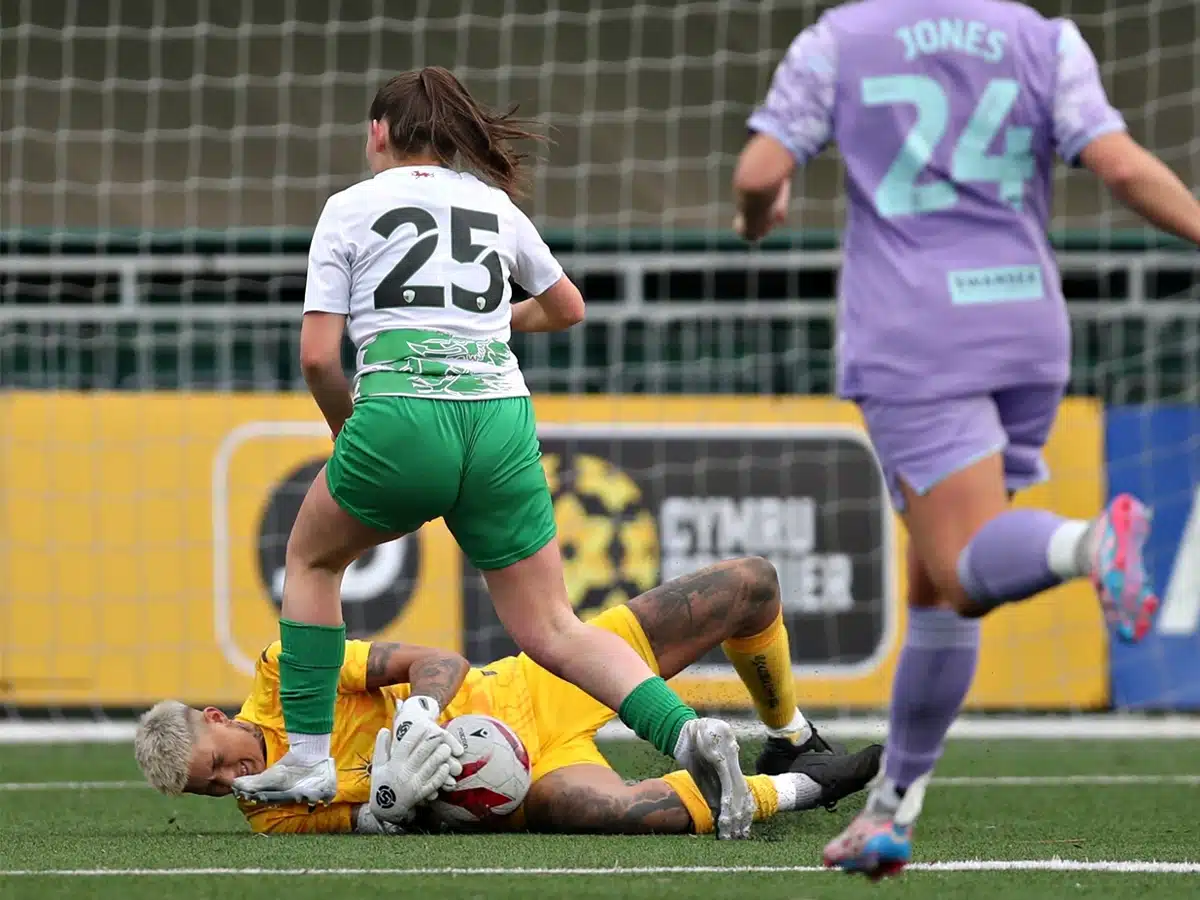
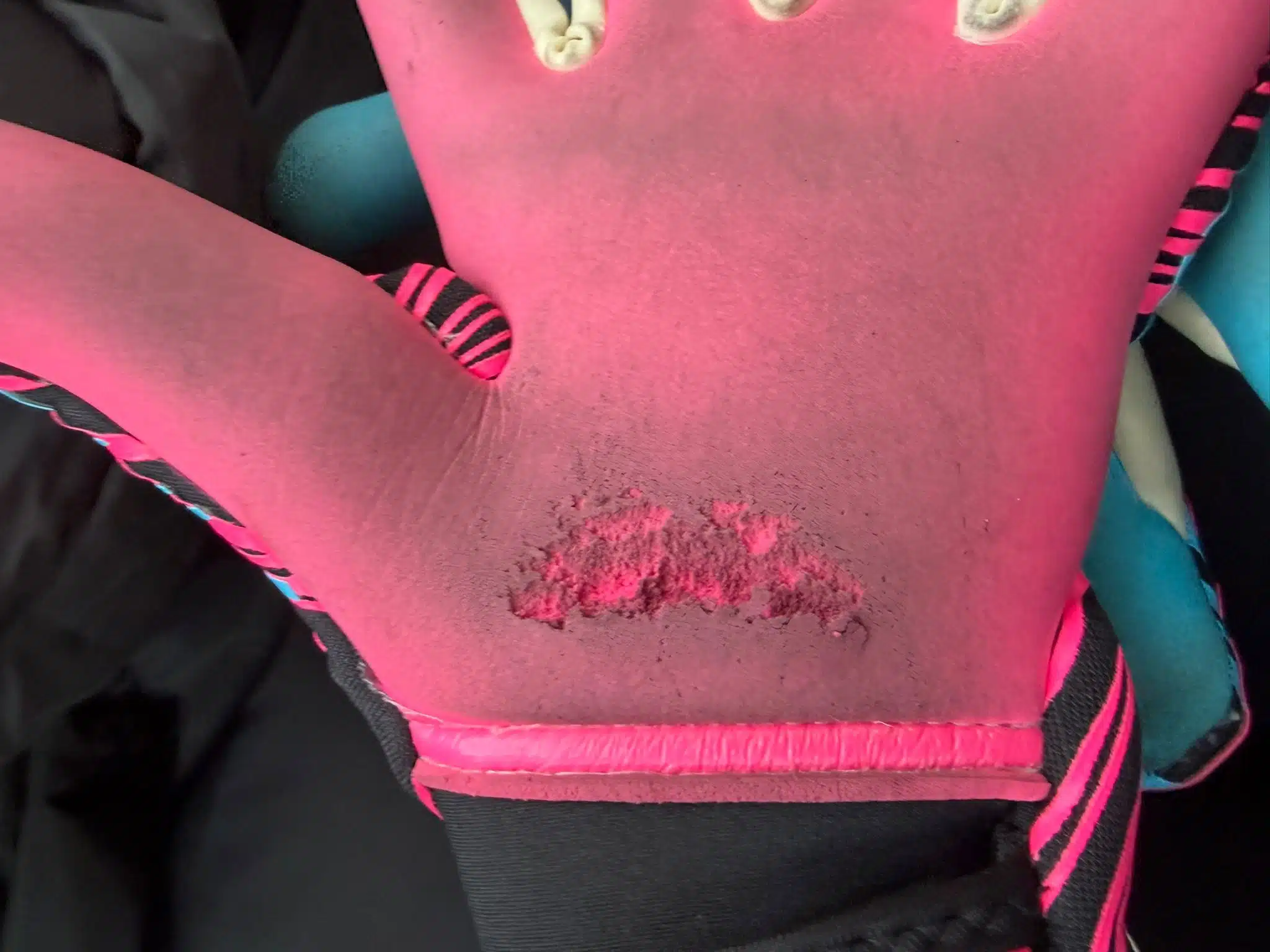
The most common cause of damage on the heel of the palm or the fingertips is abrasion from the pitch. This happens when the latex scrapes or scuffs against the playing surface. This occurs from:
- Pushing off the ground: Using your open palms to push yourself back up after a dive is the fastest way to shred your latex. Always use your fists to push yourself up instead.
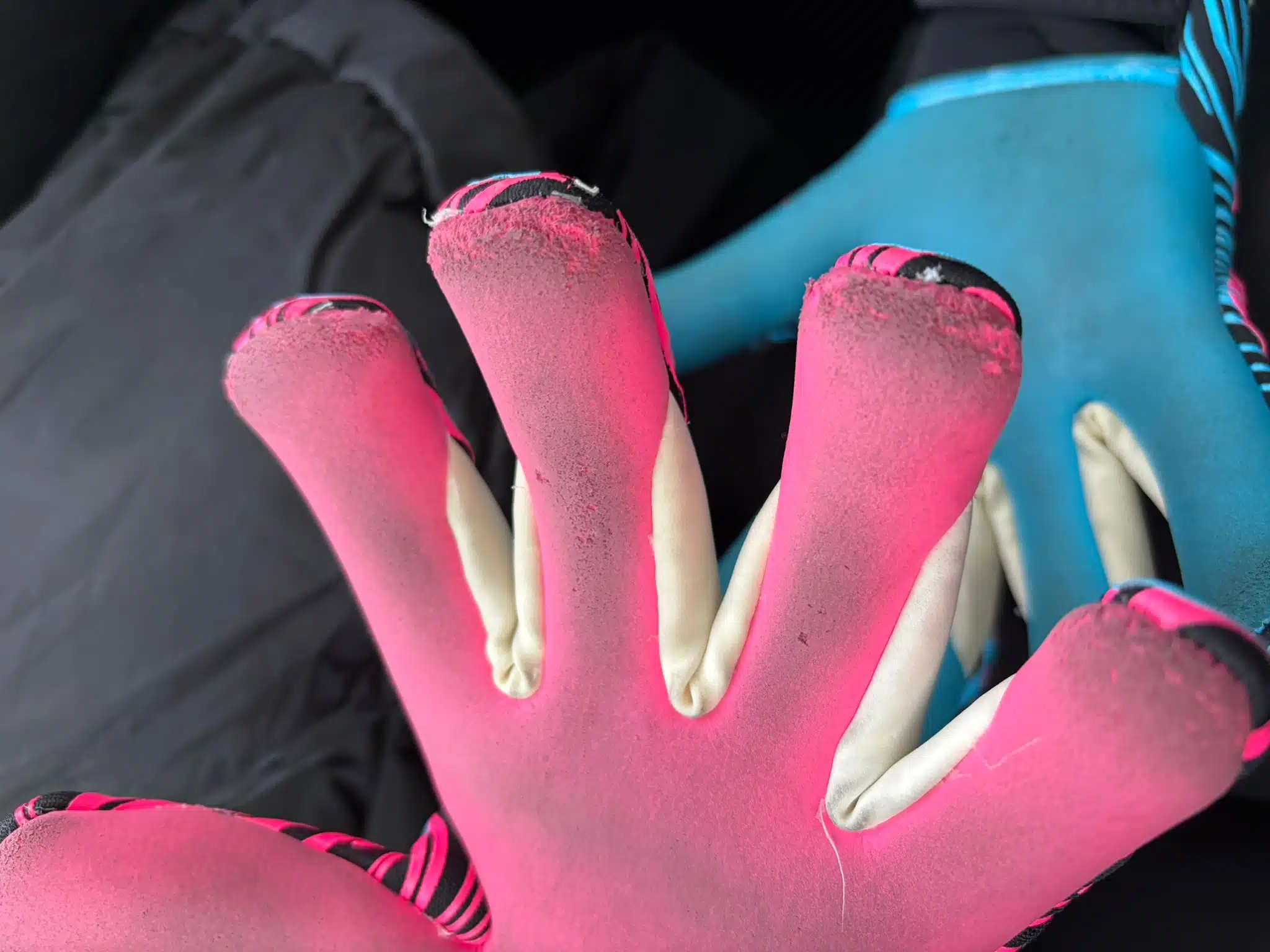
- Dragging fingers: Dragging your hands across the turf as you stretch for a low dive will quickly scuff the fingertips.
- Abrasive surfaces: Playing on 3G/4G artificial turf, hard dry ground, or indoor courts acts like sandpaper on soft latex.
2. Playing with Dry Gloves
This is a massive factor that many goalkeepers overlook. Goalkeeper gloves are designed to be used moist.
When professional-grade latex dries out, it loses its natural elasticity and becomes brittle. This makes it highly prone to cracking, peeling, and tearing rapidly upon impact with the ball or the ground. If your gloves are bone-dry during a match, they will wear down significantly faster.
3. Storing Them Palm-to-Palm
This is a very common mistake. If a goalkeeper washes their gloves or finishes a damp training session and then throws them in their bag with the latex palms touching, the latex can literally fuse together as it dries. When the goalkeeper pulls them apart the next time they play, it will rip chunks of the latex right off the foam base. Gloves should always be stored flat with the palms facing away from each other.
4. Yanking Them Off by the Fingertips
When the match is over, it’s a natural instinct to grab the fingertips of one glove and yank it off. Because the latex is so soft, pulling and stretching it from the delicate finger tips creates micro-tears in the foam. Over time (or sometimes immediately, if they pull hard enough), this causes the fingertips to split, peel, or separate from the stitching. Gloves should always be removed by unfastening the strap completely and gently pulling from the base or the body of the glove.
5. Using Harsh Detergents or the Washing Machine
While keeping gloves clean is essential, how they are cleaned matters immensely. Throwing gloves in the washing machine or using standard household laundry detergents introduces harsh chemicals and intense spinning that destroy the structural integrity of the latex. These chemicals strip away the natural moisture of the foam, leaving it dry, brittle, and guaranteed to flake away during the next use. Gloves should only be washed by hand in warm water, ideally using a specialized, mild glove wash.
How to Maximize the Lifespan of Your Gloves
While some wear and tear is inevitable, you can drastically slow down the process by taking proper care of your gear. If you want your gloves to last, follow these essential steps:
- Keep them damp: It is absolutely essential to keep the latex moist (damp, not soaking wet) at all times. Moisten the palms before the game, and keep a water bottle in your goal to re-dampen them during the match.
- Wash after every use: Dirt, mud, and sweat all work to dry out and break down the latex. Gently hand-wash your gloves in warm water immediately after playing to flush out these impurities.
- Dry them naturally: Never expose your gloves to direct heat. Keep them away from radiators, tumble dryers, and direct sunlight. Let them air dry naturally at room temperature.
- Save your best gloves for match day: Keep an older, more durable pair for rigorous training sessions, and save your premium soft-latex gloves for actual matches.
Are Scuffed Gloves Still Usable?
Yes! Don’t panic if your new gloves get a scuff on the palm. Aesthetically, it might be annoying, but as long as the majority of the palm remains intact, the gloves will still perform incredibly well and provide the grip you need to make the save. Just be sure to step up your glove care routine to stop the perishing from spreading.
For more in-depth tips on getting the absolute most out of your gear, check out our complete Glove Care Guide.
For more insights on goalkeeping essentials and to find your perfect pair of gloves, visit our Goalkeeper Glove Shop or for more in depth information check out our Glove Cut page, and Size Guide.
Other Relevant Article: Are Your Goalkeeper Gloves Holding You Back? Know When It’s Time for a pair of New Goalkeeper Gloves